
What This Job Includes and When Expert Help Makes Sense
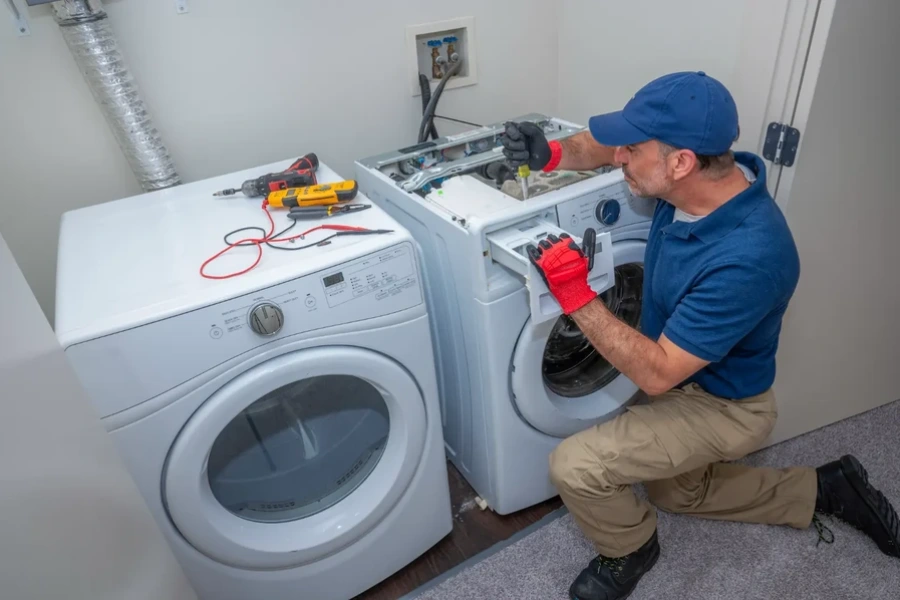
A washer repair technician finds the cause of washer problems, tests parts, and fixes the machine so it runs safely again. This work can include checking power, hoses, drains, belts, pumps, switches, and control boards. In many homes, washer repair is needed when the machine leaks, will not spin, makes loud noise, or stops mid-cycle. A good technician does more than swap parts. The job also includes careful testing, safe handling, and clear advice about the next step.
Quick Answer
The role of a washer repair technician is to inspect the washer, spot the real problem, and choose the right fix. That may sound simple, but many washer issues have more than one possible cause. A machine that will not drain could have a clogged hose, a bad pump, or a lid switch problem. The technician’s job is to narrow it down and avoid guesswork. This helps save time and can prevent extra damage.
What You Need Before Starting
Before any repair work begins, it helps to gather a few basic details. This makes the visit smoother and gives the technician a better starting point. If you are talking to a company about appliance service, these details can help them match the issue to the right type of visit.
- The washer brand and model number
- A short note about the problem
- When the issue started
- Any sounds, smells, or leaks you noticed
- Whether the machine still turns on
- If the problem happens on every load or only some loads
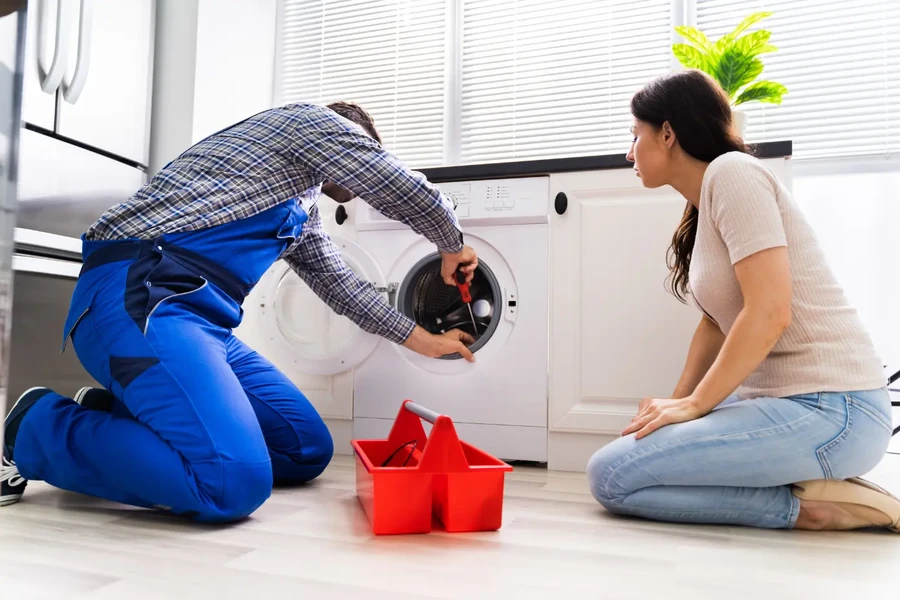
It also helps to clear the area around the washer. A technician may need room to pull the unit forward, inspect hoses, or remove a panel. If the washer is stacked or placed in a tight laundry closet, that can affect how long testing takes.
Step-by-Step Process
Most washer repair work follows a simple process. The exact steps can change by model, but the main goal stays the same: find the fault and fix it safely.
- Listen to the customer’s description of the issue.
- Check power, water supply, and visible connections.
- Run a test cycle if the washer will start.
- Inspect likely parts based on the symptom.
- Use tools to test electrical or mechanical parts.
- Confirm the failed part or blockage.
- Make the repair and test the washer again.
- Explain what happened and how to help avoid the problem later.
For example, if a washer shakes hard during spin, the technician may check the floor, leveling legs, suspension rods, and drum balance. If water stays in the tub, the inspection may focus on the pump, filter, drain hose, and drain path. The work is part troubleshooting and part hands-on repair.
Common Mistakes to Avoid
People often try to solve washer issues on their own first. That makes sense for simple checks, but some mistakes can make things worse. One common mistake is replacing a part before testing it. Another is forcing the washer to run again and again after a leak starts. That can lead to water damage on floors or walls.
Using the wrong part is also a problem. Two washers can look alike but use different components inside. A technician usually checks the model number first so the repair matches the machine. Skipping safety steps is another risk. Washers use water and electricity together, so safe handling matters every time.
When to Call a Professional
Some issues are fine for a quick homeowner check, like making sure the unit is plugged in or the water valves are open. But many problems call for trained help. If the washer smells like burning, trips a breaker, leaks under the cabinet, or makes grinding sounds, professional service is the better move. The same is true if the machine stops during spin, will not lock, or shows error codes that keep coming back.
A technician can also help when the problem is hard to pin down. A washer may fill but not agitate. It may drain but not spin. It may work with small loads but fail with towels. These point to deeper issues that need testing, not guessing. Good washer repair is not just about tools. It is about reading symptoms the right way and knowing how one failing part can affect another.
Why This Role Matters for Homeowners
A washer is one of the most used machines in many homes. When it stops working, laundry piles up fast. That is why the role of a washer repair technician matters so much. The job helps restore a normal routine. It can also help a homeowner decide if a repair still makes sense or if the washer is near the end of its useful life.
Clear answers matter here. People want to know what failed, what was checked, and what signs to watch next. A solid technician explains the issue in plain language. That way, the customer is not left guessing about the machine’s condition after the visit.
Final Recommendation
If your washer is leaking, stopping, shaking, or making new sounds, do the simple safe checks first. After that, it is smart to get expert help instead of taking the machine apart without a clear plan. Reliable washer repair starts with proper testing, accurate diagnosis, and safe repair steps. That is the real role of a washer repair technician, and it can make the difference between a short fix and a bigger problem.
Get Help With the Next Step
If you are dealing with washer trouble in Oakland, CA, I can help you figure out the next step. At Sam's Appliance Care and Repair, I focus on clear answers and practical repair help. Call me at (510) 493-5085 if you want to talk through the problem or set up service.