
Simple Ways to Find the Cause and Choose the Right Fix
If a fridge is not cooling right, the problem is often tied to airflow, dirty coils, a bad door seal, blocked vents, or a failing part like the fan or thermostat. Some cooling issues are easy to spot and fix at home. Others need professional refrigerator repair to stop food loss and bigger damage. The key is to check the simple things first, then move to part failures if the problem does not go away.
Quick Diagnosis Summary
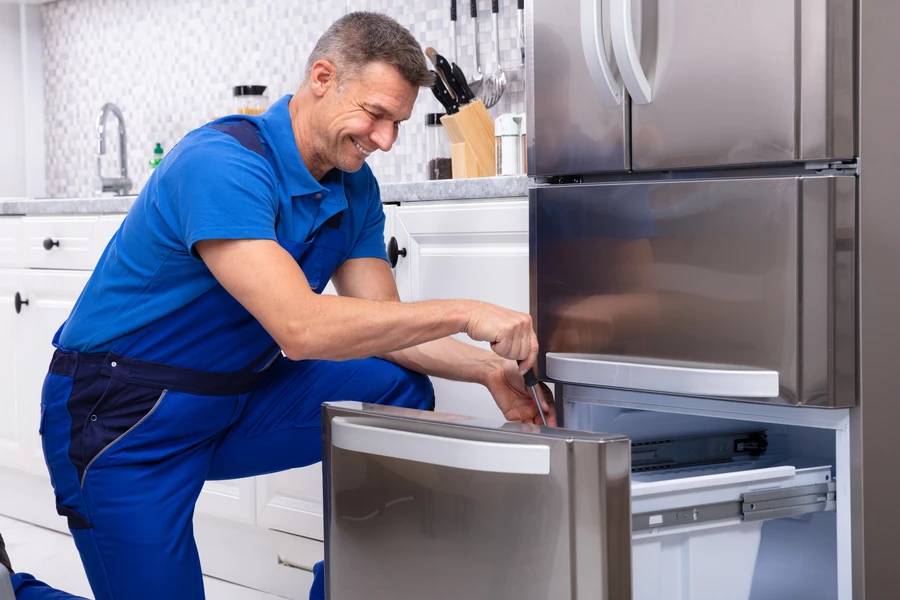
Most cooling problems follow a pattern. The refrigerator may feel warm, the freezer may still work, food may spoil fast, or the motor may seem to run all day. These signs help narrow down the cause. In many homes, the issue starts with poor airflow, dust buildup, or a door that does not seal well. In other cases, a failed evaporator fan, condenser fan, start relay, or thermostat is the real reason. Good refrigerator repair starts with a simple check before parts are replaced.
Common Symptoms
Cooling trouble does not always look the same. One fridge may stop cooling almost fully. Another may cool a little, but not enough to keep milk or leftovers safe. Watch for signs like these:
- The fresh food section feels warm
- The freezer works, but the fridge side does not
- Food spoils before the date on the package
- Ice builds up on the back wall or near vents
- The unit runs too often or makes odd sounds
- Water leaks under drawers or onto the floor
- The fridge shuts off and restarts a lot
These signs can point to different issues, so it helps to notice when the problem started and whether it got worse over time.
Likely Causes
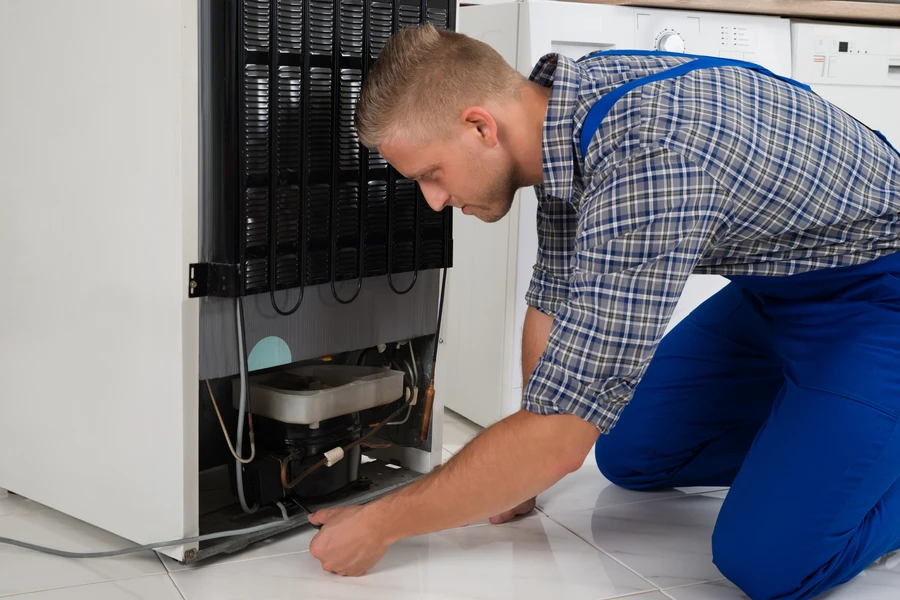
A refrigerator cools by moving cold air where it is needed. When that process gets blocked, cooling drops fast. Dirty condenser coils are one common cause. Dust makes it harder for the system to release heat. A weak door gasket is another issue. Warm air slips in, and the fridge has to work harder. Blocked vents can also trap cold air in one area while the rest of the fridge stays warm.
Part failure is another big cause. A bad evaporator fan can keep cold air from reaching the fresh food section. A failed condenser fan can cause heat buildup around the compressor. A thermostat that reads the wrong temperature can make the system cycle the wrong way. In some cases, a defrost problem leads to frost buildup, which then blocks airflow. While some appliance service visits are for simple fixes, others need testing tools and part checks.
What to Check First
Before calling for refrigerator repair, start with safe, basic checks. These steps can save time and may solve the issue:
- Check the temperature settings inside the fridge and freezer.
- Make sure food boxes are not blocking air vents.
- Look at the door gasket for gaps, cracks, or dirt.
- Clean the condenser coils if they are dusty.
- Listen for fan noise when the door is closed.
- Check for heavy frost on the back panel inside.
- Make sure the fridge has space around it for airflow.
If the coils are dirty, clean them gently with a brush or vacuum. If the gasket is dirty, wipe it down and check if it seals tight. If the fridge is packed too full, move items away from the vents. These are simple steps, but they often help.
Safe Fixes Vs Pro-Level Fixes
Some cooling problems are safe to handle without much risk. Cleaning coils, adjusting shelves, leveling the unit, and checking the seal are usually fine for most homeowners. Defrosting a fridge with light frost can also help if airflow is blocked. If a power issue comes from a loose plug or tripped breaker, that is often simple too.
Other jobs are better left to a trained technician. Fan motor testing, relay replacement, thermostat diagnosis, sealed system work, and refrigerant issues need skill and tools. Trying these repairs without training can damage the appliance or create a safety risk. If the compressor clicks often, the fans stop working, or the fridge stays warm after basic checks, professional refrigerator repair is the better step.
Prevention Tips
Many cooling problems can be reduced with basic care. A little routine attention helps the fridge run better and may help it last longer. Try these habits:
- Clean condenser coils every few months
- Do not block inside vents with large containers
- Close the door fully each time
- Replace worn gaskets before they leak too much air
- Keep the fridge at a steady setting
- Wipe up spills that can freeze near vents or drawers
- Leave room around the outside of the unit for airflow
It also helps to pay attention to small changes. If the fridge starts running longer than normal, if food feels less cold, or if frost starts to build up, act early. Small warning signs often lead to bigger repair calls when they are ignored.
When It Makes Sense to Get Expert Help
If the fridge still does not cool after basic checks, a trained diagnosis can save both time and food. This is especially true when the unit is making clicking sounds, showing heavy frost, leaking often, or warming up again soon after being unplugged and restarted. In Oakland, CA, hot weather and repeated door use can make weak cooling problems show up faster, so a small issue may become harder to ignore. A clear inspection can help tell the difference between a minor airflow issue and a failing part that needs real refrigerator repair.
Need Help With the Next Step?
If your fridge is not cooling the way it should, I can help you figure out the next step. I work on refrigerator repair problems that range from poor airflow to part failure, and I do my best to give honest advice. If you are in Oakland, CA, reach out when the problem starts instead of waiting for food to spoil. Call (510) 493-5085 to contact Sam's Appliance Care and Repair and I will help you set up service.