
How a Failing Dryer Slows Down Laundry and Creates Bigger Household Problems
A faulty dryer can make laundry take much longer, raise energy use, and leave clothes damp after a full cycle. That means more time spent rewashing, redrying, and sorting loads that should have been done already. In many homes, one dryer problem can throw off the whole day. When the machine does not heat well, spin right, or move air the way it should, laundry efficiency drops fast.
Quick Diagnosis Summary
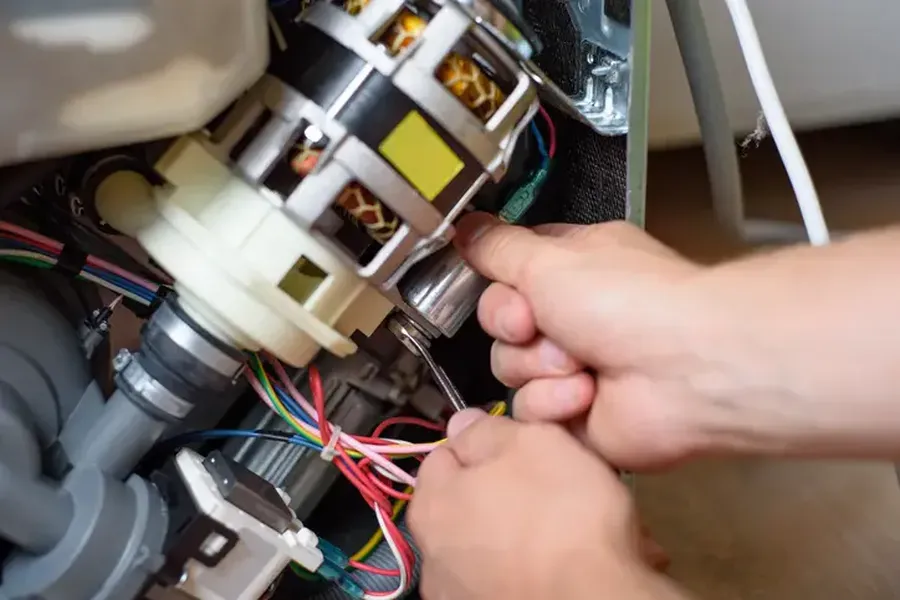
When a dryer stops working the right way, the first sign is often simple. Clothes come out wet, warm but not dry, or hot in some spots and damp in others. You may also notice longer cycle times, a musty smell in fabrics, or the need to run the same load twice. These signs often point to airflow trouble, heating failure, sensor issues, or worn parts. dryer repair can fix many of these problems before they get worse.
Common Symptoms
Dryer trouble does not always mean the machine has fully stopped. Many units still turn on, but they do not do the job well. That is why it helps to watch for small changes in performance.
- Clothes need two or three cycles to dry
- Towels stay damp in the middle
- The dryer gets too hot on the outside
- The drum turns, but there is no heat
- Drying times keep getting longer each week
- Clothes come out wrinkled or smell stale
- The machine shuts off before the load is dry
Even one of these signs can hurt your laundry routine. A pile of half-dry clothes can back up the whole wash day.
Likely Causes
Several parts work together to dry clothes well. If one part fails, the whole system slows down. A blocked vent is one of the most common reasons for poor drying. Hot, wet air has to leave the machine. If it cannot, the moisture stays in the drum.
Another common cause is a bad heating element or gas ignition problem. Without heat, clothes may tumble for a long time with little progress. A broken thermostat can also cause poor heating or overheating. In some cases, sensors stop reading moisture the right way. Then the dryer may shut off too soon, even though the clothes are still damp.
Worn drum seals, a weak blower, or a slipping belt can also cut down dryer performance. While the service category keyword is not listed here, the issue still falls under general appliance service needs in many homes.
What to Check First
Before calling for help, there are a few safe things you can check on your own. Start with the lint screen. If it is full, airflow drops right away. Next, check the outside vent flap. If it barely opens during a cycle, air may be trapped in the vent line.
- Clean the lint filter fully
- Check if the vent hose is bent or crushed
- Look for lint buildup around the dryer exit
- Test a small load to see if drying time improves
- Make sure the dryer is not overloaded
- Confirm the correct heat setting is being used
These simple steps may help with minor issues. If the problem stays the same, the cause may be deeper inside the unit.
Safe Fixes Vs Pro-Level Fixes
Some dryer problems are safe for a homeowner to address. Cleaning lint, clearing light vent buildup, and checking settings are usually fine. These steps can improve airflow and help loads dry faster again.
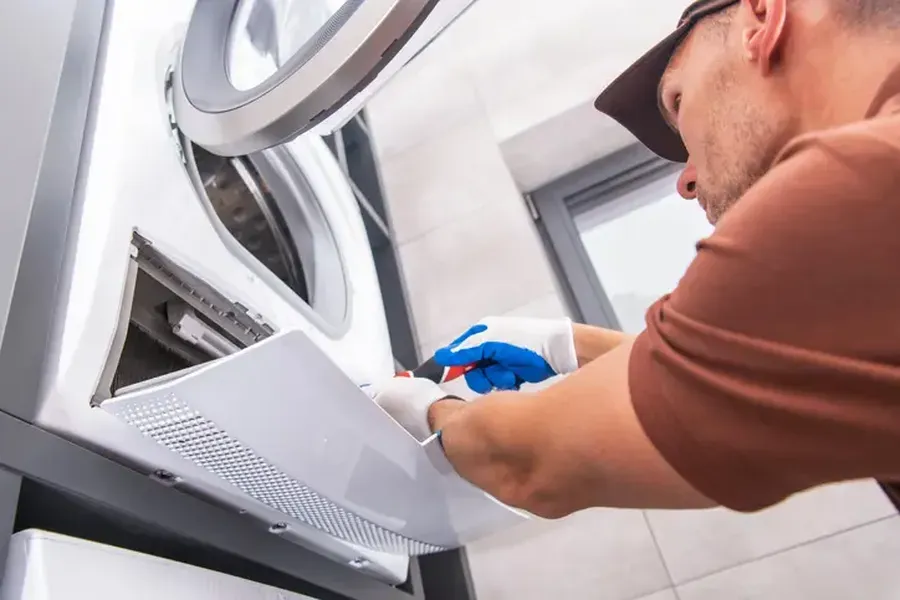
Other repairs are better left to a trained pro. Replacing heating parts, thermostats, fuses, motors, or gas system parts takes the right tools and care. A dryer can carry electrical risk, and gas models add another level of danger. If the machine smells like burning, trips breakers, or gets far too hot, stop using it. That is a strong sign you need professional dryer repair.
Trying to fix internal parts without training can lead to more damage. It can also turn a small repair into a larger one. Fast action often helps keep costs, downtime, and laundry stress lower.
Prevention Tips
A dryer often gives warning signs before a bigger failure happens. Regular care can help keep laundry moving on time. It also helps clothes last longer, since over-drying and uneven heat can wear out fabric faster.
- Clean the lint screen after every load
- Inspect the vent path on a regular basis
- Do not pack the drum too tightly
- Use the right cycle for the fabric type
- Watch for new noises or longer drying times
- Have the machine checked if performance drops
Good upkeep matters because a slow dryer does more than waste time. It can raise power bills, create extra strain on clothing, and leave your laundry area backed up for days.
Final Recommendation
If your dryer is no longer drying clothes in one normal cycle, it is smart to act early. What starts as a vent issue or weak heat problem can grow into a larger failure. Quick attention can restore normal laundry flow and help avoid safety concerns. If basic cleaning does not solve the issue, a proper dryer repair visit is often the best next step.
Need Help With Your Dryer
If you are dealing with slow drying times in Oakland, CA, I can help you figure out what is going wrong and what needs to be fixed. Call (510) 493-5085 to reach me directly and ask about service options. At Sam's Appliance Care and Repair, my goal is to get your laundry routine back on track with honest help and dependable dryer repair.